
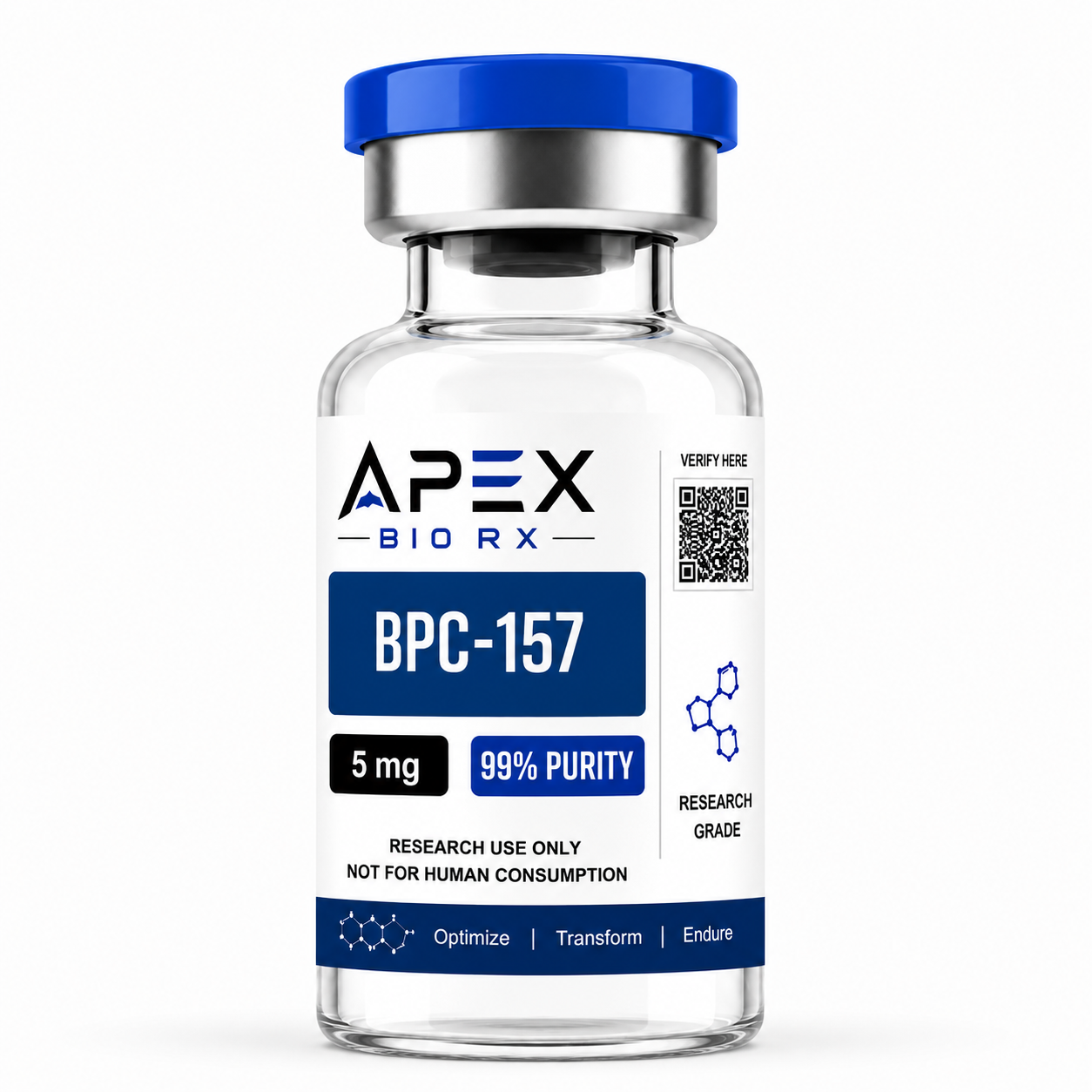
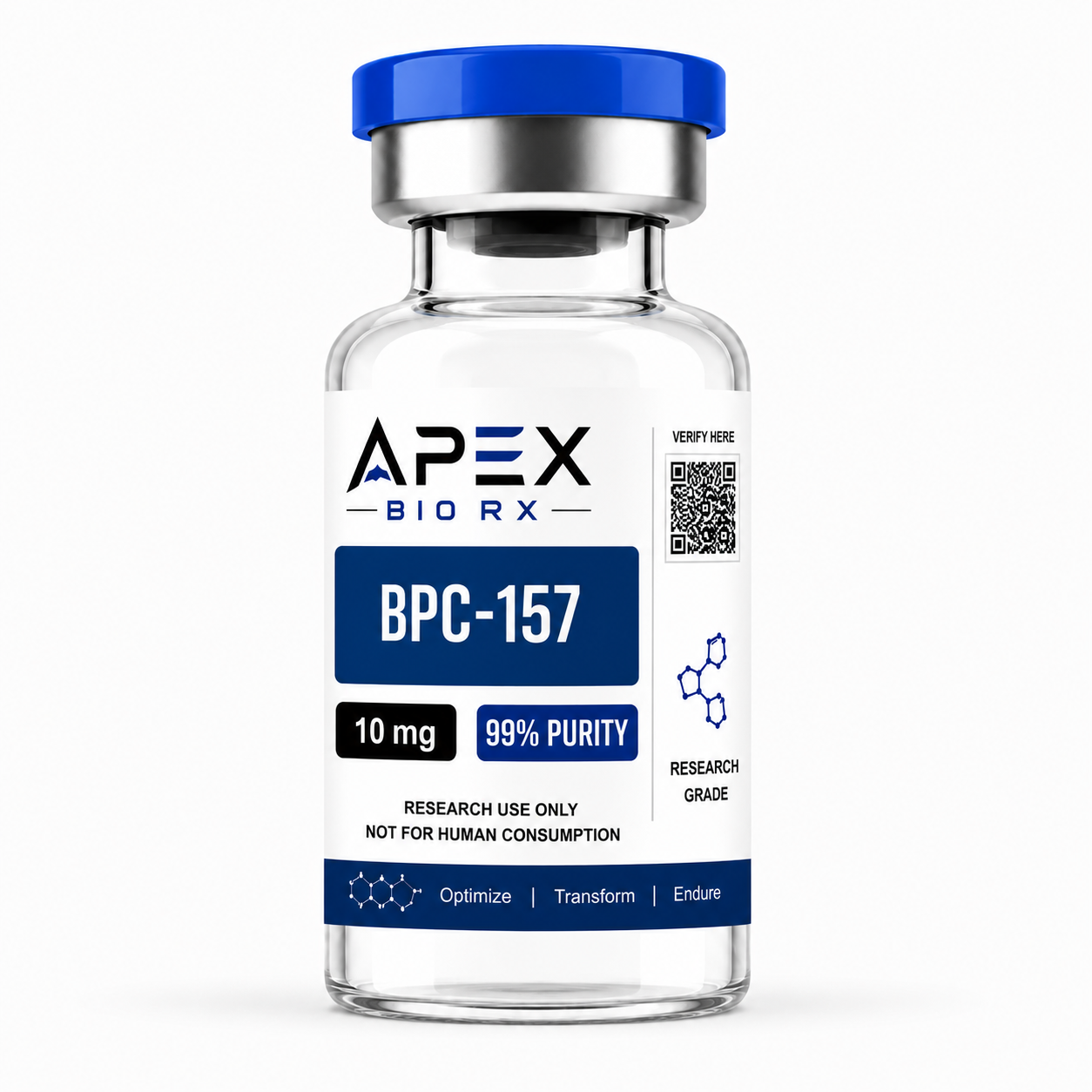
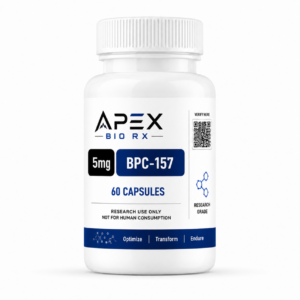
BPC-157 (Body Protection Compound-157) is a research-grade synthetic pentadecapeptide derived from a naturally occurring protective protein found in gastric juice. Composed of 15 amino acids, BPC-157 is extensively studied for its potential role in tissue regeneration, cellular repair, and gastrointestinal health. Its broad biological activity has made it one of the most researched peptides in regenerative medicine, musculoskeletal science, and recovery research.
Researchers investigate BPC-157 for its potential to support the repair of muscles, tendons, ligaments, joints, and connective tissues through mechanisms involving angiogenesis (new blood vessel formation), collagen synthesis, fibroblast activation, and growth factor signaling. It is also widely studied for its influence on inflammation modulation, tissue remodeling, and cellular recovery following injury, making it a valuable compound in orthopedic, sports physiology, and tissue engineering research.
Beyond musculoskeletal applications, BPC-157 is commonly researched for its potential role in maintaining gastrointestinal integrity, supporting epithelial barrier function, promoting digestive tract health, and facilitating tissue repair within the gastrointestinal system. Ongoing laboratory studies also explore its effects on wound healing, connective tissue health, and overall cellular resilience, making BPC-157 an important research peptide in regenerative medicine, gastroenterology, and cellular biology.

Reviews
There are no reviews yet.